
Buying tires can feel overwhelming, sizes, brands, seasons, and prices all compete for your attention. The good news? Choosing the right tire does not have to be complicated.
Start With the Correct Tire Size
Every vehicle has a recommended tire size from the factory, usually found:
- Inside the driver-side door
- In your owner's manual
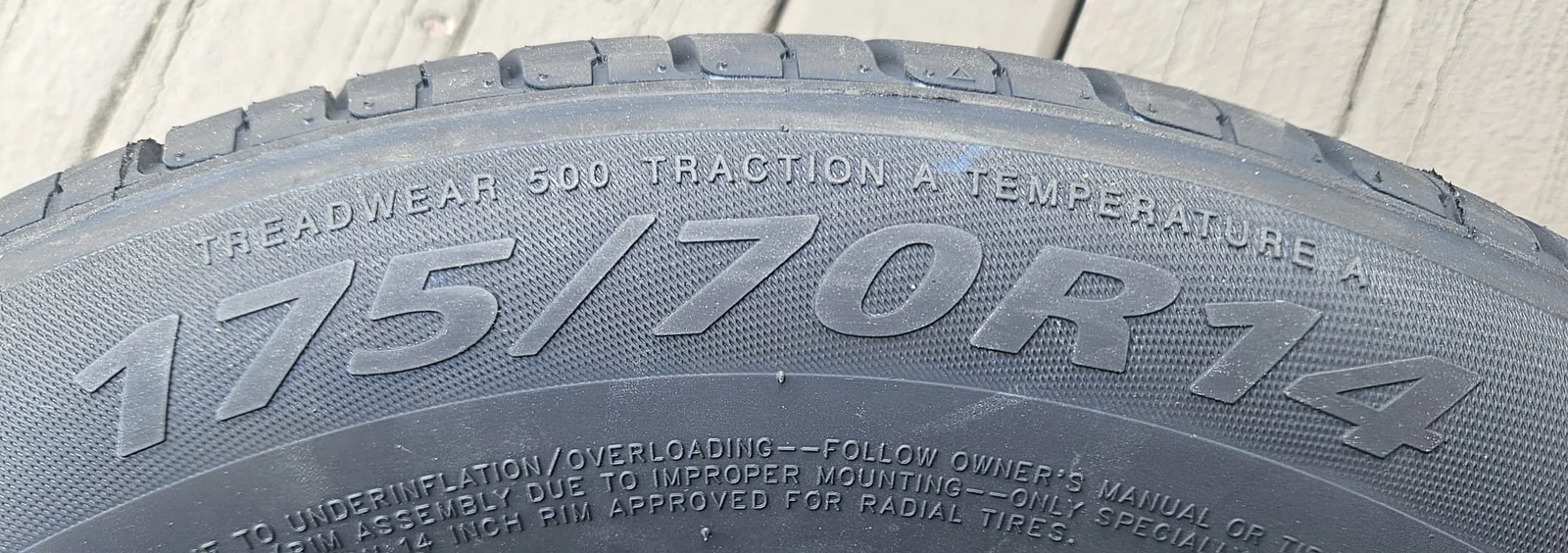
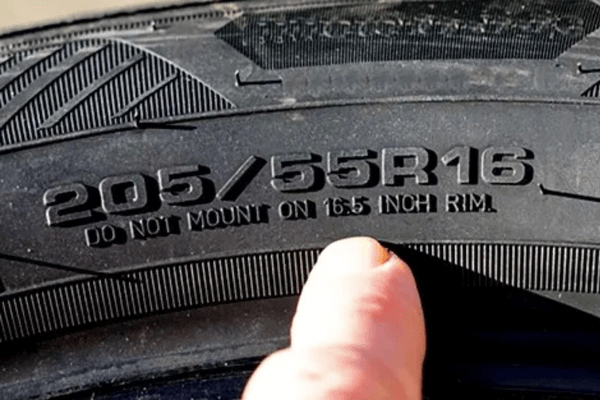
- On your current tire's sidewall
A typical size looks like 225/65R17. Using the correct size ensures safety, comfort, and fuel efficiency.
Do Not Ignore the Season
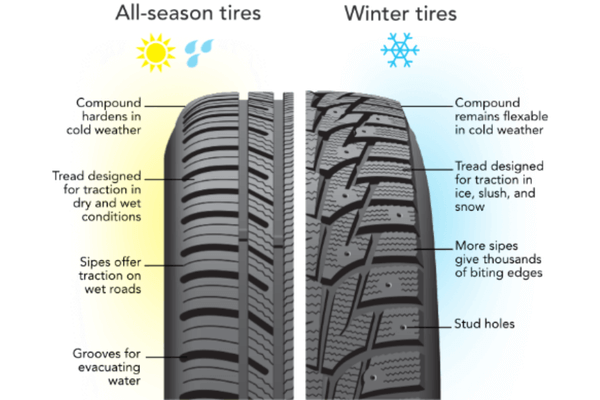
- All-season tires: A practical, budget-friendly choice for drivers who want convenience. All-season tires perform well in dry and wet conditions and are ideal for moderate climates. However, they are a compromise great for everyday driving but not built for extreme summer heat or winter snow and ice.
- Winter tires: When temperatures drop, winter tires are not optional, they are a safety investment. Their specialized rubber stays flexible in freezing conditions, delivering superior traction, shorter stopping distances, and better control on snow and ice. They also reduce the risk of accidents and insurance claims.
- Summer tires: If you care about handling, braking, and road feel, summer tires deliver. Designed for warm temperatures, they provide maximum grip and responsive steering on both dry and wet pavement.
Choosing the right seasonal tire can extend tire life and improve safety.
Final Tip: If you are unsure, our team is always happy to help you choose the best option for your vehicle and budget.